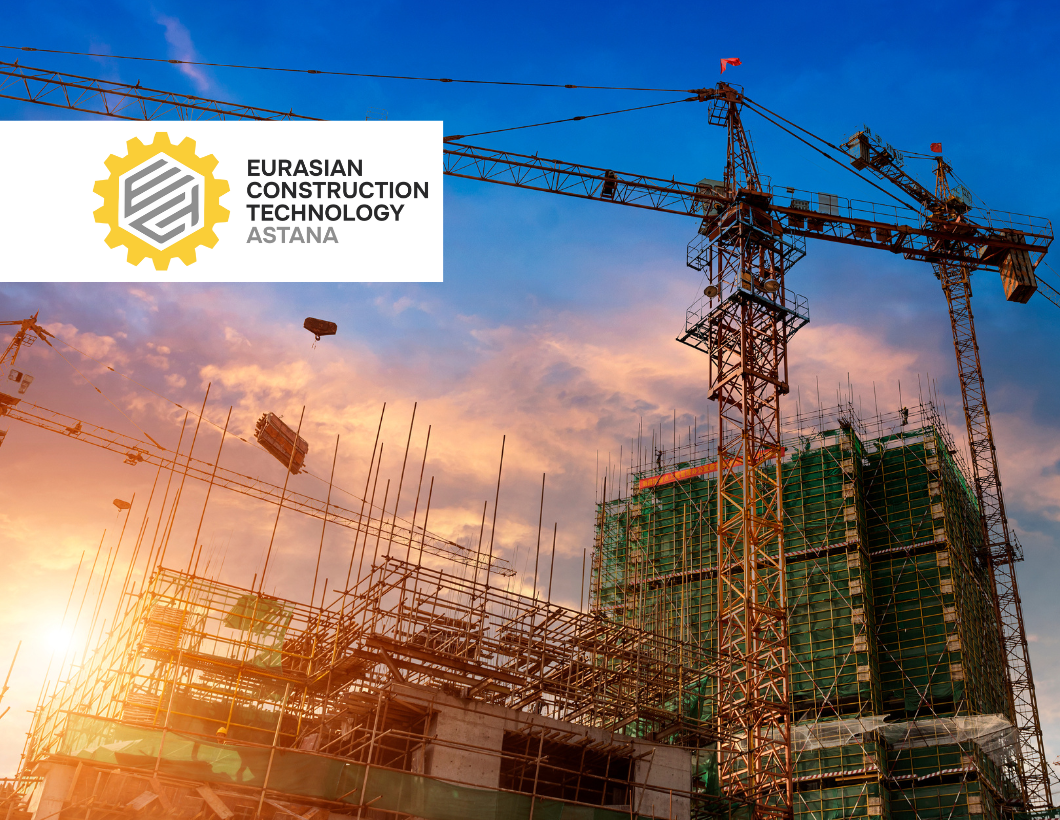
The first half of 2025 became a milestone for residential construction in Kazakhstan. According to the Bureau of National Statistics, almost 8 million m² of housing was commissioned, which is 6.6% more than in the same period last year — the best result in the past seven years.
Structure and investments
Most of the new housing — 5 million m² — came from multi-apartment residential complexes, while 2.8 million m² were in the private sector.
Investments in housing construction amounted to 1.5 trillion tenge, with 93% of all projects implemented by private developers.
Regional leaders and growth dynamics
Astana (1.7 million m²) and Almaty (1.3 million m²) accounted for almost half of the total housing commissioned nationwide.
Astana leads in the number of apartments delivered — 19.1 thousand, compared to 14.8 thousand in Almaty, due to height restrictions in the southern capital.
The fastest growth was recorded in Turkistan region (+25.5%), Shymkent (+23.4%), and Almaty region (+20.4%), reflecting the ongoing urbanization of the regions.
Quality over quantity, digitalization, and accessibility
Developers such as BI Group are focusing on higher standards, introducing a five-year warranty for their projects — shifting the emphasis from volume to quality and long-term client trust.
The market is rapidly digitalizing with the e-Qurylys system, enabling real-time monitoring of construction progress and ensuring transparency at all stages.
Government support includes preferential mortgage programs (“Nauryz”, “Otau”) and rent subsidies for socially vulnerable groups.
Kazakhstan’s housing construction sector is showing steady growth: the volume of new housing has reached a seven-year peak, strong investments are driving dynamics, and the active role of private capital highlights market confidence. Regional development, guarantees from developers, and digital tools are making the market more mature and transparent, while government support continues to enhance housing affordability.
Source: Yestate
Structure and investments
Most of the new housing — 5 million m² — came from multi-apartment residential complexes, while 2.8 million m² were in the private sector.
Investments in housing construction amounted to 1.5 trillion tenge, with 93% of all projects implemented by private developers.
Regional leaders and growth dynamics
Astana (1.7 million m²) and Almaty (1.3 million m²) accounted for almost half of the total housing commissioned nationwide.
Astana leads in the number of apartments delivered — 19.1 thousand, compared to 14.8 thousand in Almaty, due to height restrictions in the southern capital.
The fastest growth was recorded in Turkistan region (+25.5%), Shymkent (+23.4%), and Almaty region (+20.4%), reflecting the ongoing urbanization of the regions.
Quality over quantity, digitalization, and accessibility
Developers such as BI Group are focusing on higher standards, introducing a five-year warranty for their projects — shifting the emphasis from volume to quality and long-term client trust.
The market is rapidly digitalizing with the e-Qurylys system, enabling real-time monitoring of construction progress and ensuring transparency at all stages.
Government support includes preferential mortgage programs (“Nauryz”, “Otau”) and rent subsidies for socially vulnerable groups.
Kazakhstan’s housing construction sector is showing steady growth: the volume of new housing has reached a seven-year peak, strong investments are driving dynamics, and the active role of private capital highlights market confidence. Regional development, guarantees from developers, and digital tools are making the market more mature and transparent, while government support continues to enhance housing affordability.
Source: Yestate